Rama's Joy at Sita's Pregnancy Story
This story is an original retelling, written in our own words, inspired by a video from the Tilak YouTube channel.
After Exile, Return to Ayodhya and Sita's Conception
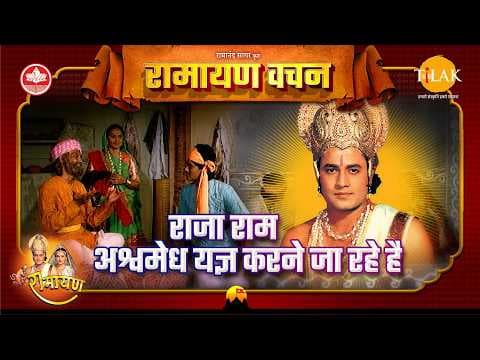
After conquering Lanka and successfully completing their 14 years of exile, Lord Rama, Goddess Sita, Lakshmana, and Hanuman arrived in Ayodhya by the Pushpak Viman. The residents of Ayodhya celebrated the arrival of their beloved prince with unprecedented joy. The atmosphere resounded with the glow of lamps, showers of flowers, and auspicious songs. Rama's coronation was performed according to rituals, and he began to rule as an ideal king. The kingdom was filled with happiness, peace, and prosperity. Amidst this pleasant and tranquil environment, Goddess Sita conceived. As soon as this news reached Lord Rama, a wave of joy surged through his heart.
Reason for Rama's Joy
Lord Rama's happiness was not merely a personal feeling of joy, but a sign of a divine plan. He knew that this conception was not just a physical expansion, but an aspect of Goddess Lakshmi herself, who would further the glorious tradition of the Ikshvaku dynasty. It was an auspicious and auspicious event for his lineage, for Ayodhya, and for all of creation. Expressing his love and affection for Sita, Rama instructed that she be given special care. He shared this news with his closest friends and relatives, filling the entire royal palace with delight.
Sita's Pregnancy and Rama's Special Attention
Sita, who was herself an embodiment of Mahalakshmi, experienced her pregnancy with great simplicity and grace. Lord Rama himself took the responsibility of serving Sita and attending to her needs. He never let Sita feel any lack or deficiency. He would personally bring her fruits and roots, arrange for her favorite foods, and always stay near her, entertaining her. His affectionate feelings and loving behavior provided Sita with immense happiness and peace. They often sat together, discussing memories from his childhood, events from their exile, and future plans. In these moments, a unique radiance and sense of contentment would be visible in Rama's eyes.
A Festive Atmosphere in Ayodhya
As Sita's pregnancy progressed, the festive atmosphere in the city of Ayodhya grew even more intense. The subjects were overjoyed to know that a new heir was about to arrive in the house of their beloved Lord Rama. Everyone was eagerly awaiting this auspicious time. Special prayers and rituals were organized in the temples, auspicious chants were recited by the Brahmins, and the public expressed their happiness by lighting lamps in various places. Rama's mothers, Kausalya, Sumitra, and Kaikeyi, also held great affection for Sita and took care of her in every way. They would sit with Sita themselves, sharing affectionate stories and wishing her a happy future.
Revelation of the Unknown Woman
A sudden turn of events occurred when an unknown woman entered the royal palace. This woman appeared extremely frightened and anxious. Presenting herself before Lord Rama, she revealed certain things that astonished everyone. The woman explained that she was an Apsara who, due to a curse, had to take birth as a human on Earth. She was deeply distressed by her past karmas and was performing penance to attain salvation. She also stated that a crucial part of her penance could only be completed with the blessings and divine power of Goddess Sita.
Rama's Decision and Sita's Exile
However, following the revelation of the unknown woman, some citizens of Ayodhya began to question Sita's character. Upon overhearing a conversation between a washerman and his wife, who were making inappropriate remarks concerning Sita's abduction by Ravana, Rama, prioritizing the subjects' sentiments and the honor of his lineage, made an extremely harsh decision. He could not tolerate any doubt arising among the people of his kingdom. As a king, he had to consider the public's opinion and their satisfaction. Even though Rama had complete faith in Sita's purity, he took this difficult step to avoid public condemnation.
Sita's Exile and Valmiki's Ashram
Lord Rama commanded Lakshmana to take Goddess Sita to the forest and leave her there. Lakshmana, whose heart was distressed by this order, took Sita to the dense forest. He tearfully told Sita the entire story and left her near the ashram of Sage Valmiki. Sita, who was extremely pure and spotless, was greatly saddened by this unjust treatment, but she did not lose her patience. Sage Valmiki gave Sita shelter and took care of her. Sita spent her days in remembrance of the Lord and in penance while living in Valmiki's ashram.
Birth and Upbringing of Luv and Kush
It was at Valmiki's ashram that Goddess Sita gave birth to two radiant sons, who were named Luv and Kush. Sage Valmiki imparted education, initiation, and knowledge of the scriptures to these two boys. He acquainted them with the principles of valor, dharma, and ethics. Luv and Kush were extremely valiant and sharp-witted boys. They were as brilliant as their father and destined to be beloved by the people.
Sage Valmiki narrated the tales of Lord Rama to them and also made them proficient in music and arts. As they grew up, Luv and Kush became as compassionate as their mother and as just as their father.
Ram Rajya and the Duty of the Subjects
This episode teaches us that a king's duty is not merely to rule but also to respect the thoughts and feelings of his subjects. Lord Rama took this harsh step to avoid public criticism and uphold the honor of his lineage, even though he was well aware of Sita's purity. His decision shows that royal dharma and the welfare of the subjects are paramount. Another important aspect of this story is that no one can escape karma and its consequences. Goddess Sita suffered hardships due to the karma of her past lives, but her purity and forbearance ultimately led her to victory.
The Ashwamedha Yagna and Reunion
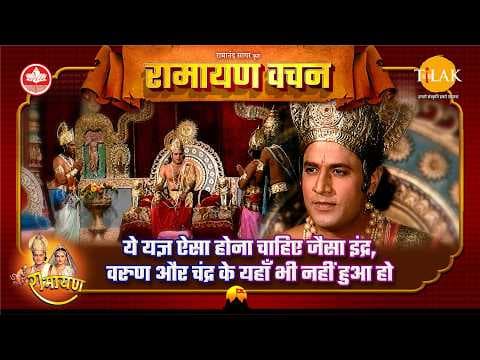
In later times, Lord Rama organized a grand Ashwamedha Yagna. For this yagna, he had a golden idol of Sita made, because he knew that without the presence of Goddess Sita, no yagna could be complete. During the yagna, Sage Valmiki arrived at the yagna site with his disciples, Luv and Kush. Luv and Kush, with their sweet voices, sang the glory of Rama and recited the Ramayana. Their singing filled the entire atmosphere with devotion. Rama recognized his sons and became extremely emotional. Finally, after the mediation of Sage Valmiki and Goddess Sita's proof of her purity, Rama and Sita were reunited. This moment became an ideal example for all those who had doubted Rama's decision.
Spiritual Message of the Story
This episode, concerning Rama's happiness at Sita's pregnancy and the subsequent events, offers us several important spiritual messages. This story teaches us that the divine play of God is extremely profound and mysterious, difficult for ordinary humans to comprehend. Rama's decision, although harsh, was for the fulfillment of a higher purpose. This story teaches us the importance of patience, tolerance, and unwavering faith, as demonstrated by Goddess Sita during her exile. Ultimately, truth and purity always prevail. Rama's happiness symbolizes the divine consciousness that manifests at the beginning of every auspicious deed, and it inspires us to maintain enthusiasm and joy towards the good deeds in our own lives.
Frequently Asked Questions
Why was Rama happy when Sita became pregnant?+
Rama was extremely happy when Sita became pregnant because it symbolized the expansion of his lineage and the continuation of the Ikshvaku dynasty. It was auspicious and fortunate news for him, bringing joy and satisfaction.
Why did Sita have to go to the forest?+
To avoid the doubts raised by the public about Sita's character and the ensuing slander, Rama had to make a difficult decision as a king. He ordered Lakshmana to abandon Sita in the forest, even though he had complete faith in Sita's purity.
Who were Luv and Kush?+
Luv and Kush were the sons of Goddess Sita, born in the ashram of sage Valmiki. They were also the sons of Lord Rama, and they introduced themselves by singing the Ramayana.
What does this story teach us?+
This story teaches us that a king's duty is to maintain the satisfaction of his subjects and the honor of his lineage. It also demonstrates the importance of patience, tolerance, and purity, as truth ultimately prevails.