The Story of Vasus' Liberation: A Mythological Tale
This story is an original retelling, written in our own words, inspired by a video from the Tilak YouTube channel.
Introduction to the Vasus
The Vasus hold a significant place in ancient Hindu scriptures. They are considered eight divine guardians or deities who are protectors of various aspects of creation. They are mentioned in various Puranas, the Mahabharata, and texts like the Vishnu Purana. The Vasus are believed to have originated from Prajapati Daksha, who gave birth to them as his daughters. These eight Vasus are: Dhara, Dhruva, Soma, Aha, Anila, Anala, Prabhasa, and Vashu. All of them are known for their respective qualities and powers and play an important role in the balance of the entire universe. They follow the commands of the gods and assist in the protection of Dharma. Their radiance and light are considered equal to the sun, and they are symbols of well-being and prosperity on Earth. The Vasus are often associated with purity, stability, and nourishment. Their worship brings stability and prosperity into life.
The Connection Between Ganga and the Vasus
The starting point of the story of the Vasus' liberation is connected to the river Ganga. According to mythological narratives, these eight Vasus once entered the ashram of sage Vashishtha. At that time, sage Vashishtha was deeply engrossed in meditation. The Vasus, out of mischief or some other reason, stole the Kamadhenu cow belonging to sage Vashishtha. This act was extremely insulting to sage Vashishtha, as the Kamadhenu cow is considered sacred and venerable. When sage Vashishtha awoke from his meditation and saw that his Kamadhenu cow had been stolen, he became extremely angry. He immediately identified those responsible for this act through his ascetic powers.
Sage Vashishtha's Curse
Enraged by the insult and the theft of the sacred Kamadhenu, sage Vashishtha cursed the eight Vasus. He declared that since they had committed the heinous act of stealing his revered cow from a hermit's ashram, they would have to take birth in the human realm. This curse was extremely painful for the Vasus, as they were residents of the divine realm, and being born as humans was a form of punishment for them. Understanding the gravity of the curse, the Vasus begged sage Vashishtha for forgiveness and expressed remorse for their actions. They prayed to the sage for a remedy to their curse or a way to find release from this suffering.
The Vasus' Prayer and Ganga's Boon
To resolve their curse, the Vasus humbly prayed to Rishi Vashishtha. They admitted their mistake and asked for forgiveness for the unintentional error. Rishi Vashishtha, using the power of his penance, considered their plea. He declared that their curse was indeed immutable, but there was a way to be freed from it. He explained that seven of the Vasus would be liberated from the human realm after some time, but the eighth and youngest among them would have to suffer for a long period. Following this, the Vasus themselves prayed to the river goddess Ganga. They requested Ganga to become their mother and help them escape the curse. Ganga, who was a most sacred and compassionate goddess, accepted the Vasus' prayer.
Ganga's Birth in Human Form
Ganga, accepting the Vasus' plea, granted them the boon that she would be their mother. She stated that she would carry their eighth Vasu in her womb and, immediately after birth, would recall him to herself, thereby freeing him swiftly from the suffering of the curse. Thus, the Vasus accepted their destiny to be born into the human world, knowing that Ganga was ready to assist them. As a result of Ganga's promise, when she would be born in human form, she would give birth to her eighth Vasu and then merge him back into Ganga, allowing him to return to his celestial abode. This narrative forms the basis of the story of Shantanu and Ganga in the Mahabharata, where Ganga becomes the wife of King Shantanu.
King Shantanu and Ganga's Marriage
At the request of the gods, Ganga received the boon to descend in human form and marry King Shantanu. King Shantanu was a great and righteous king who ruled Hastinapur. While hunting, he reached the banks of the river Ganga, where he witnessed a wondrous sight. He saw an incredibly beautiful woman emerging from the water. King Shantanu was captivated by the woman's beauty and divine aura and proposed marriage to her. Ganga accepted King Shantanu's proposal, but she laid down one condition. The condition was that King Shantanu would never question or stop any of her actions, no matter how unusual they might seem.
The Abandonment of Sons by Ganga
King Shantanu accepted his queen Ganga's condition and they married happily. After some time, Ganga became pregnant and gave birth to a beautiful son. However, instead of handing the newborn infant to King Shantanu, Queen Ganga immediately flowed him into the stream of the River Ganga. King Shantanu was extremely distressed and angered by this sight, but due to his promise, he could not say anything. He urged his queen to save the child. Ganga explained to the king that this was not their eighth son, but the eighth Vasu whom she had promised to free from a curse. As soon as he was born, she sent the Vasu back to his divine abode. Thus, Ganga gave birth to seven Vasus and immersed each one in the Ganga after its birth, thus freeing them from the curse and allowing them to return to their divine worlds.
The Birth of Bhishma and Ganga's Departure
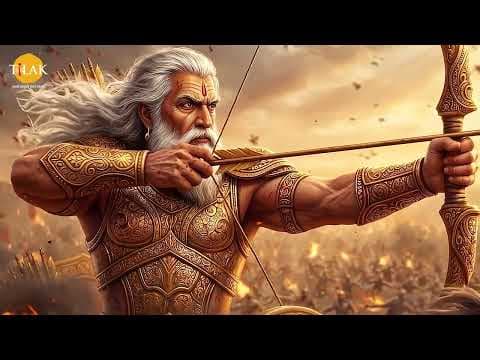
After giving birth to seven sons, when Ganga gave birth to the eighth son, King Shantanu became extremely distressed. This time he broke his vow and urged the queen not to abandon their son. Queen Ganga saw the king's distress and understood that the king had become excessively attached to his son. She told the king that this eighth son would not be freed from the curse, as he had to live a full term in the human form. After giving birth to this son, Ganga told the king that her task was now complete. She handed over their son to the king as per her promise and herself returned to her divine abode. This eighth son was named Devavrata, who later became known as the great warrior Bhishma of the Mahabharata. Bhishma was personally imparted knowledge and martial arts by Ganga, making him a unique warrior.
The Significance of the Vasus' Well-being
This story of the Vasus' well-being offers many important messages. It shows how the fruits of karma are inevitable, regardless of the level at which they are performed. The curse by Sage Vashishtha had compelled the Vasus to take birth in human form, which was a consequence of their past deeds. Furthermore, this story also highlights Ganga's compassion and her form of motherhood. Ganga not only aided the Vasus in getting freedom from the curse but also benefited the earth by giving birth to a great warrior like Bhishma. This narrative demonstrates how the balance of creation is maintained even with the intervention of gods and sages. The penance of King Shantanu and the sacrifice of Ganga together created a personality who was entirely dedicated to his paternal duty and the fulfillment of his vow. This story also establishes the profound connection between devotion, dharma, and karma.
Conclusion
The welfare of the Vasus is a mythological saga that teaches us the importance of karma, dharma, and divine intervention. This tale is a beautiful confluence of the penance of the sages, the divine play of the gods, and the sacred form of the Ganges. In the process of freeing the Vasus from their curse, Ganga not only aided them, but they also gave rise to a great character like Bhishma, whose contribution to Indian mythology is invaluable. This story teaches us how the union of divinity and humanity, along with rules and boundaries, creates a balance that is essential for creation. This narrative also reminds us of the importance of virtues such as humility, forgiveness, and devotion to duty.
Frequently Asked Questions
Who were the Vasus?+
The Vasus are considered eight divine guardians or deities who are protectors of various aspects of creation. Their mention is found in Hindu scriptures, and they assist in upholding Dharma. They are believed to bring stability and prosperity.
Why were the Vasus cursed?+
The Vasus were cursed for stealing sage Vashishtha's Kamadhenu cow from his ashram. As a consequence of this act, sage Vashishtha cursed them to be born in the human realm.
How did Ganga help the Vasus?+
Ganga accepted the Vasus' prayer and granted them the boon of becoming their mother. She carried the eighth Vasu in her womb and, after his birth, sent him back to his divine realm, freeing him from the curse.
How was Bhishma born?+
Bhishma was born as the eighth son of King Shantanu and Ganga. After giving birth to Bhishma, Ganga handed him over to King Shantanu and returned to her divine abode.