Satyabhama and Krishna's Tuladan Story | City Upset by Humility
This story is an original retelling, written in our own words, inspired by a video from the Tilak YouTube channel.
The Emotional Story of Satyabhama and Sage Narad
Many episodes from Lord Krishna’s life during the Dvapara Yuga offer us experiences of devotion and wisdom. Among these is an intriguing story where his wife, Satyabhama, performs a tuladan (weighing donation) for Sage Narad. In this tale, Narad challenges Krishna to accept a gift equivalent to his weight, promising liberation upon doing so. This event unfolds between Satyabhama and other characters, revealing not only Krishna's greatness but also an important lesson about eradicating pride through devotion.
Why Was the Tuladan Proposed?
Sage Narad, famed for singing praises of the Lord throughout the universe, asked Satyabhama to offer Krishna a tuladan. It was a test to see which item could match Krishna’s weight. Proudly, Satyabhama placed all her treasures and jewelry on one side of the scale, but to her surprise, Krishna’s side remained heavier, and the scale did not tip.
Satyabhama’s Pride and Its Display
Satyabhama, who held great pride in her wealth and beauty, was shocked by this experience. Her pride was rooted in the belief that her entire treasure would outweigh Lord Krishna. Even after placing everything she owned on the scale, it did not tip, wounding her ego deeply. This was the moment to test her pride, leading to the next significant event in the story.
Rukmini's Generous and Wise Suggestion
Rukmini, who was Krishna's second lawful wife and co-wife to Satyabhama, upon seeing the situation, advised Satyabhama to place her ring along with a basil leaf on the balance scale. The basil plant, or Tulsi, is regarded as very dear to Lord Vishnu, and the leaves of Tulsi hold great spiritual significance. Rukmini’s suggestion was a signal to abandon ego and reconnect through devotion.
The Miracle of the Tulsi Leaf
As soon as the Tulsi leaf was placed on the scale alongside Satyabhama’s jewelry, both sides of the scale balanced perfectly. This miracle demonstrates that the power of devotion and love weighs the most before the Supreme Being. The clear message here is that worldly wealth holds no importance without devotion.
Krishna’s Simplicity and Expression of Love
In this act of the weighing game, Krishna’s simplicity and boundless love shine through. He not only turns his devotees’ ego into humility but also teaches them that true love and devotion are the essence of life. Through this episode, Krishna instructs Satyabhama to give up her pride and purify her heart.
The Meaning of the Transformation of the Entire City
At the end of the story, it is said that the entire city's condition was transformed. This means that Satyabhama's ego was destroyed and a new wave of devotion spread throughout the entire city. This event encourages people to recognize the importance of devotion, humility, and truth. Thus, personal transformation contributes to the change in society as a whole.
The Conflict Between Devotion and Ego
In this episode, the use of the tulsi leaf symbolizes the destruction of ego and the powerful influence of devotion. Satyabhama's ego was represented by her treasures and jewelry, but devotion took that sense away. This conflict is something we also experience in our own lives, where ego and devotion battle within us. Krishna's divine play teaches us that devotion alone is the remedy for all our flaws.
The Cultural and Spiritual Significance of the Tuladan Story
This story is not only important from a religious perspective but also provides cultural lessons. The glory of the tulsi leaf, Krishna's compassion, and the destruction of Satyabhama's ego together point the way to a life filled with devotion. Tulsi is considered sacred in both rural and urban societies, and through this story its spiritual significance is deeply established.
This Episode in Devotional Music
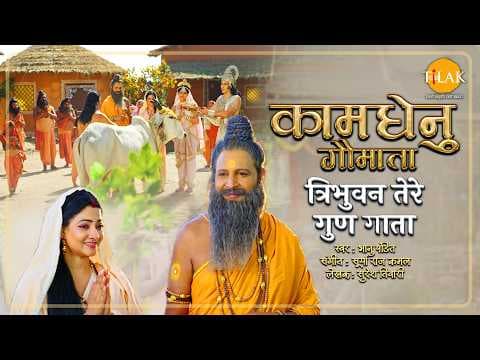
In Ramanand Sagar's television series "Shri Krishna," this story is presented through lyrical dialogues, where the sweet songs by Ravindra Jain deepen the emotions even further. Through the power of music, this narrative reaches every person, evoking feelings of devotion and intensifying love towards Shri Krishna. In this way, music serves as a path for devotees to experience spiritual realization.
Lessons from the Tuladan Story in Today's Life
From this story, we learn that wealth, riches, or external grandeur hold no true importance; rather, devotion and humility of the heart are meaningful. The story of Satyabhama illustrates that to free oneself from ego, one must practice devotion to Shri Krishna. This is the real power that makes an entire life successful and purposeful.
Conclusion: The Power of Devotion and the Destruction of Ego
This episode of Satyabhama’s Tuladan (weighing in balance) to Shri Krishna teaches us that devotion is above any amount of wealth or power. The tulsi leaf destroyed Satyabhama's ego, transforming the entire city’s atmosphere. This story is a source of inspiration for all devotees that only through love, humility, and dedication can one reach close to God.
The sweet lyrical dialogues of this tale guide us on the path of immersing ourselves in devotion to Shri Krishna and inspire us to maintain devotional feelings even amidst coming troubles. In our own lives, whenever ego arises, we should embrace the power of devotion just like the tulsi leaf.
Frequently Asked Questions
**Who was Satyabhama and what was her relationship with Lord Krishna?** Satyabhama was one of Lord Krishna's wives, known for her courage and pride. She held deep devotion towards Krishna and played a significant role in several events during his life in the Dwapar Yuga.
**What is Tula Daan and why is it important?** Tula Daan is a religious ritual in which an object is donated after being weighed against an equivalent weight of the deity or a sacred item. Its importance lies in symbolizing surrender and devotion, representing the act of renouncing ego and dedicating oneself entirely to God.
**What is the spiritual significance of the tulsi leaf in the story?** The tulsi leaf is considered dear to Lord Vishnu and his avatars. It symbolizes devotion and purity, and in the story, it is used to portray the destruction of ego and to express love and dedication toward God.
**Why is the story of ego’s destruction in Krishna’s leela significant?** This story highlights the importance of destroying ego and embracing true devotion. Krishna’s leela imparts the message that there is no greater wealth than devotion to God, and the annihilation of ego paves the way for liberation and spiritual advancement.
**Why did Sage Narada propose the Tula Daan test?** Sage Narada proposed this trial to demonstrate the greatness of God and to test the ego of devotees. Through Tula Daan, it becomes clear that the significance of God surpasses that of any material object.
**How was this episode depicted in Ramanand Sagar’s Shri Krishna TV series?** Ramanand Sagar presented this episode with very heartfelt and melodious songs and dialogues. The music by Ravindra Jain enriched the story with depth and devotional emotion, deeply impacting viewers and devotees alike.
**What lessons does this story offer for modern life?** In modern life, it is essential to understand that inner devotion and humility surpass wealth and riches. Living life with love and surrender, while shedding ego, is the true path to success. This story imparts this profound spiritual teaching.
**What was the end of Satyabhama's ego in the story?** Satyabhama’s ego was destroyed upon the touch of the tulsi leaf. This event taught her the importance of humility and devotion, purifying her soul and bringing her closer to God.
Frequently Asked Questions
Who was Satyabhama and what was her relationship with Lord Krishna?+
Satyabhama was one of Lord Krishna’s principal wives who had deep devotion towards him. The story highlights her proud nature and the ultimate lesson she learns in surrender and devotion.
What is Tuladan and why is it important?+
Tuladan is a religious ritual where an offering equal to the weight of a deity is donated. It symbolizes complete surrender and the renunciation of ego before the divine.
What is the spiritual significance of the tulsi leaf?+
The tulsi leaf is sacred to Lord Vishnu and represents devotion, purity, and destruction of ego. In the story, the tulsi leaf helps in dissolving Satyabhama’s pride.
How is this episode portrayed in Ramanand Sagar's TV series?+
Ramanand Sagar presents this episode through emotionally charged songs and dialogues, evoking a deep sense of devotion and spiritual depth.